
Can Plasma Cutters Cut Stainless Steel Cleanly?

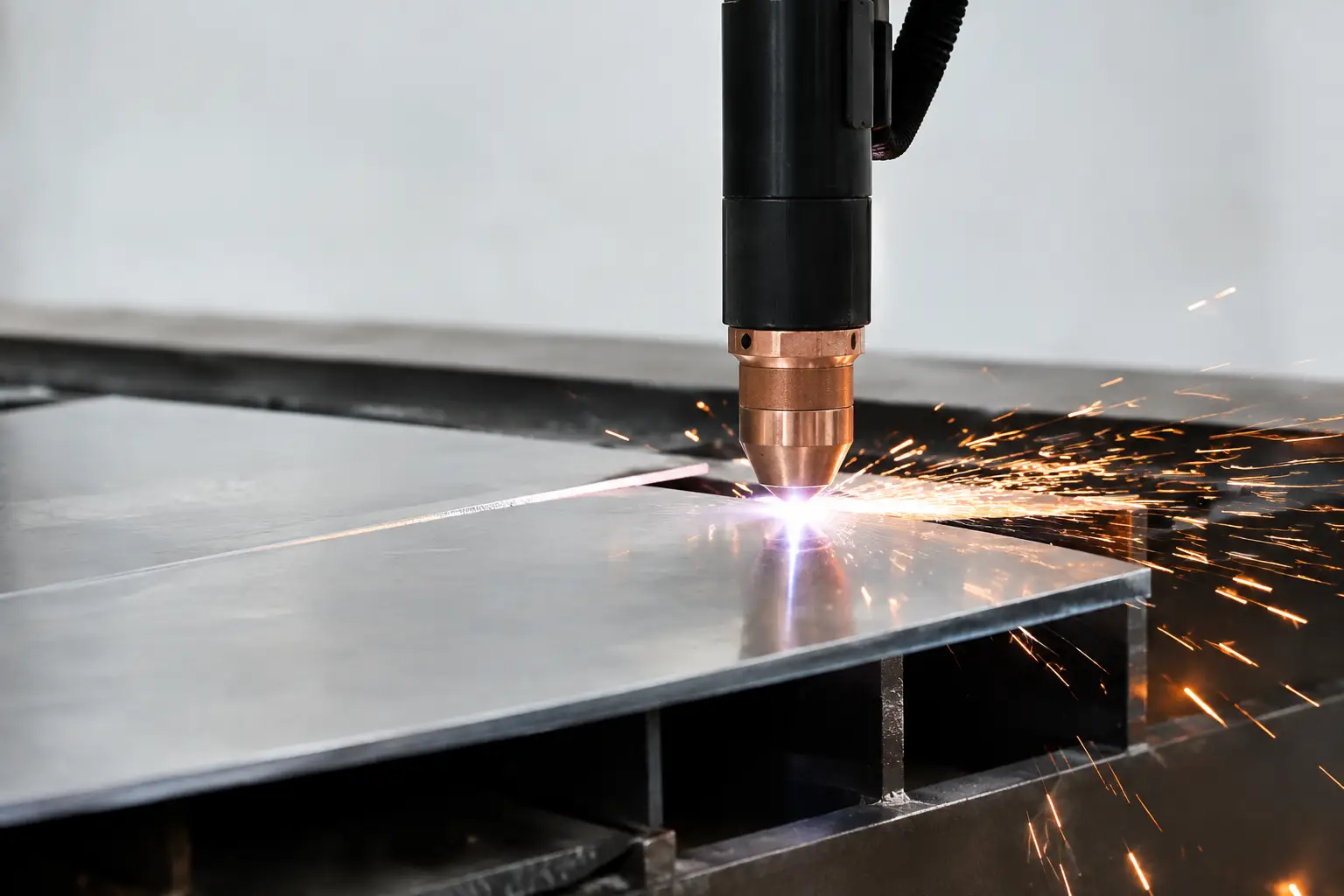
A stainless handrail blank or food-grade bracket does not need a slow abrasive cut-off wheel if the job calls for speed. Can plasma cutters cut stainless? Yes. A correctly specified plasma cutter will cut stainless steel quickly and effectively, from thin sheet through to substantial plate. The real question is whether the finished edge is suitable for the fabrication, and that comes down to machine output, consumables, gas quality and cutting technique.
For general fabrication, repair and maintenance work, plasma is often the fastest practical way to profile or remove stainless. It is not automatically the best choice where a pristine, weld-ready or highly cosmetic edge is required. Know the trade-off before setting up, and plasma earns its place in the workshop.
Can plasma cutters cut stainless steel without problems?
Plasma cuts electrically conductive metals by using an electric arc to turn gas into a high-temperature plasma jet. Stainless steel is conductive, so there is no fundamental barrier to cutting it. The process does not rely on oxidation in the way oxy-fuel cutting does, which is why plasma is suitable for stainless, aluminium and other non-ferrous metals.
The cut will usually be fast, particularly on thinner material. It produces a narrow kerf, limited heat-affected area compared with many mechanical cutting methods, and allows an operator to follow templates or freehand repair lines. For site work, maintenance teams and busy fabrication bays, those advantages matter.
However, stainless is less forgiving than mild steel when appearance and corrosion resistance are critical. A plasma-cut edge can show oxide scale, discolouration and a small amount of dross. It may require grinding, linishing, pickling or passivation before it is welded, painted or left exposed in a corrosive environment. The heavier the plate and the rougher the cut, the more finishing is likely to be needed.
For decorative balustrades, visible catering equipment or pharmaceutical-grade work, consider whether laser, waterjet or a finished mechanical edge is the better route. For brackets, base plates, repairs, structural components and non-visible fabrications, plasma is often the sensible balance of speed, cost and control.
Choosing plasma power for stainless steel
Do not buy a plasma cutter solely on its headline maximum cut rating. Manufacturers commonly state a clean cut capacity, a severance capacity and, sometimes, a recommended production thickness. The clean cut figure is the one that matters if you want a usable edge without crawling along at an impractical speed.
A 30-40 amp machine is capable on thin stainless sheet and is useful for vehicle repairs, HVAC work, light fabrication and maintenance. A 45-60 amp unit gives more breathing room for regular work on moderate plate thicknesses. For heavier fabrication, an 80 amp or higher-output industrial plasma system is generally the better investment, especially where cut speed and duty cycle affect the job cost.
As a working principle, do not run every cut at the machine’s absolute limit. A cutter operating comfortably within its rated clean-cut range produces a better edge, uses consumables more efficiently and keeps the operator moving. Pushing a small machine through heavy stainless can leave a heavily bevelled edge, excessive dross and overheated torch parts.
Duty cycle deserves the same attention. Cutting a few slots into stainless sheet is very different from processing a batch of plate parts all afternoon. A professional workshop needs output that can sustain the work, with torch leads, earth clamp, consumables and air supply specified to match.
Compressed air, gas quality and consumable life
Most manual plasma cutters use clean, dry compressed air. It is convenient and cost-effective, but air quality has a direct effect on cut performance. Water and oil in the airline can cause unstable arc starts, poor cut faces and rapid electrode and nozzle wear. On stainless, where edge condition can already demand extra finishing, contaminated air is an unnecessary expense.
Use a properly sized compressor, moisture control and suitable filtration. Drain the compressor regularly and inspect filters rather than assuming they are doing their job. If the plasma system specifies a particular inlet pressure and air flow, set it to the manufacturer’s recommendation with air flowing through the torch, not just when the system is idle.
Some higher-end plasma processes use alternative gases or gas mixes to improve edge quality on stainless and aluminium. These systems have their place in production environments, but they add cost and set-up complexity. For most general workshop and site applications, a quality air plasma cutter with dry air is the practical answer.
Consumables are not a minor detail. The electrode, nozzle, swirl ring and shield cup control the arc. A worn nozzle creates an enlarged or distorted arc, making it harder to hold a straight kerf and square edge. If the cut starts to wander, the arc is difficult to initiate, or the kerf becomes noticeably wider, inspect the torch parts before blaming the machine.
Keep genuine or correctly matched consumables on hand. Mixing incompatible parts may fit physically but can compromise torch performance and life.
Set-up and technique for a cleaner stainless cut
Stainless plasma cutting starts with the same basics as any good fabrication job: clean material, a reliable work return connection and a stable work position. Remove paint, heavy contamination and loose scale around the earth clamp location. Attach the clamp directly to the workpiece wherever possible, rather than relying on a bench connection through uncertain contact points.
For thin stainless, use a lower output setting where the machine allows it and move at a controlled speed. Travelling too slowly builds heat and leaves heavy bottom dross. Moving too fast risks incomplete penetration and a pronounced bevel. The correct speed sounds consistent and leaves sparks exiting beneath the plate at a slight trailing angle.
Maintain the recommended torch-to-work distance. Many hand torches use a drag shield, allowing the operator to run the shield on the material. Others need a small stand-off. Follow the torch guidance for the consumables fitted. Holding the torch at roughly 90 degrees to the work is the starting point for a square edge, then adjust only where the task requires it.
Piercing needs more care than edge-starting. Begin with the torch angled slightly away from yourself and allow the initial spray to break through before bringing it upright. This protects the nozzle from molten metal blowing back into the torch. On thicker stainless, a pilot hole or edge start may preserve consumables and produce a cleaner result.
Use a straightedge, circle guide or template when repeatability matters. Freehand plasma is excellent for removal work and rough profiling, but it is not a substitute for proper marking-out on parts that need to fit first time. Leave a small finishing allowance if the component needs a precise final dimension.
Managing heat, distortion and the cut edge
Stainless steel moves when it gets hot. Thin sheet is particularly prone to distortion, so clamp it well and plan the cut sequence. Where several openings are needed, spread the cuts across the sheet instead of concentrating heat in one area. Long continuous cuts on light gauge material should be approached with restraint rather than maximum power and minimum speed.
After cutting, remove dross while it is still manageable, then inspect the edge. A light flap disc or stainless-only abrasive can prepare many edges quickly. Avoid contaminating stainless with abrasives, wire brushes or tooling previously used heavily on carbon steel. Embedded iron can contribute to surface rust staining later, defeating the purpose of using stainless in the first place.
If the cut edge will be TIG welded, clean back oxide and contamination before welding. For service in coastal, food-processing or chemical environments, finishing and restoring the surface condition may be necessary to retain corrosion performance. The required standard depends on the grade, application and customer specification, not simply on whether the material is labelled stainless.
Safety when plasma cutting stainless
Plasma cutting stainless creates intense UV radiation, hot sparks, noise and metal fumes. Stainless fume can contain hazardous constituents, including chromium and nickel compounds. Treat fume extraction as a core control, not an optional workshop extra.
Use effective local exhaust ventilation or suitable on-torch extraction where appropriate, and position yourself so the plume moves away from your breathing zone. Wear approved eye and face protection with the correct shade, flame-resistant clothing, gloves, hearing protection and safety footwear. Check the work area for combustibles and remember that sparks can travel well beyond the immediate cut line.
A clean, dry air supply and well-maintained torch are also safety measures. Unreliable arc behaviour leads to rushed technique and unnecessary exposure. For workshops that need help selecting cutting equipment, consumables or extraction provision, Linc-Weld can provide practical support alongside the gear.
Is plasma better than a grinder for cutting stainless?
For long cuts, repeated profiles and thicker material, plasma is normally much faster and produces less physical effort than a grinder with cutting discs. A grinder may still be better for a very small trim, a tight corner, or finishing an edge after cutting. The best workshops use both processes where they make sense.
Will plasma cutting make stainless rust?
Plasma itself does not turn stainless into ordinary steel, but heat tint, oxide scale and carbon-steel contamination can affect surface appearance and corrosion resistance. Clean and finish the edge properly for the service environment, particularly on exposed or hygienic work.
What is the best way to get a square cut?
Use fresh consumables, dry air, the correct torch height and a steady travel speed. Start with the torch perpendicular to the plate and use a guide for straight cuts. If the edge consistently bevels, check consumable wear before changing your technique.
A plasma cutter is a productive answer to stainless cutting, provided it is matched to the plate thickness and supplied with clean air and decent consumables. Give the cut edge the finishing attention the job demands, and you can move from marked-out plate to a workable component without wasting time or discs.