
How to Store Welding Electrodes Properly at Work

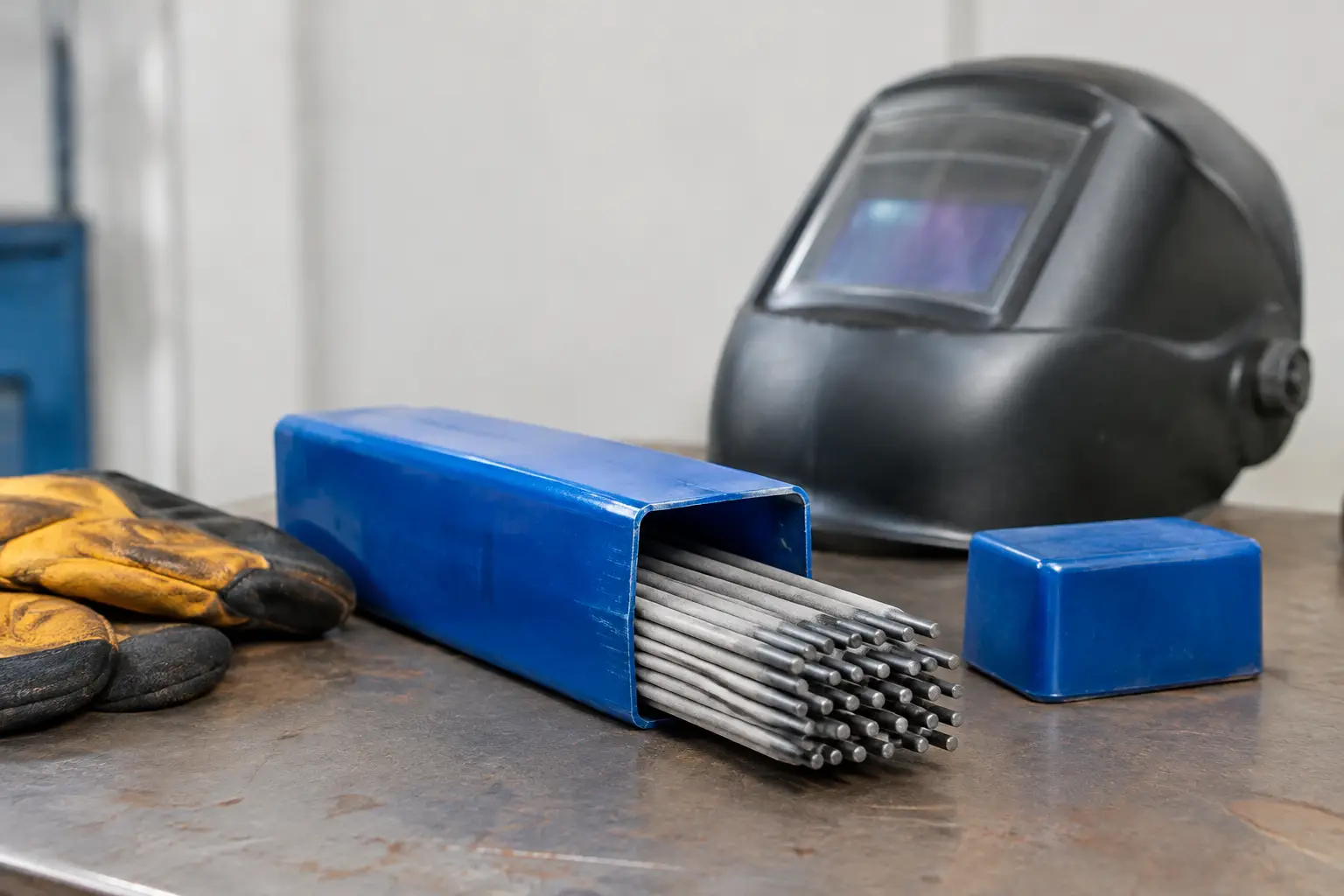
A packet of electrodes left on a cold workshop bench can turn a sound welding job into porosity, hydrogen cracking or an unnecessary failed inspection. Knowing how to store welding electrodes properly is not housekeeping for its own sake. It protects arc performance, weld metal properties and the time your team spends putting faults right.
For routine fabrication, the right approach depends on the electrode classification, the condition of its packaging and the requirements of the job. Low-hydrogen rods need far tighter control than general-purpose rutile electrodes, but every covered electrode benefits from clean, dry, well-managed storage.
Why electrode storage affects the weld
Stick electrodes have a flux coating designed to stabilise the arc, shield the molten weld pool and contribute alloying elements where required. That coating can absorb moisture from the atmosphere. Once moisture is in the coating, the arc may become less stable and the weld can develop visible porosity. More seriously, moisture introduces hydrogen into the weld deposit.
Hydrogen is a particular concern when welding higher-strength steels, thicker material, restrained joints or safety-critical work. Under the wrong conditions, it can contribute to delayed hydrogen cracking. That is why basic low-hydrogen electrodes, commonly used for structural and demanding fabrication work, are supplied in moisture-resistant packaging and have specific storage instructions.
A rod may still strike an arc after poor storage. That does not mean it remains suitable for the work. Weld appearance alone is not a reliable quality check, especially where the procedure, material grade or inspection standard calls for controlled consumables.
How to store welding electrodes properly by type
Start with the manufacturer’s data sheet and the instructions printed on the packet. Electrode coatings differ, and a blanket oven temperature or drying routine is not a substitute for the specified requirement.
Low-hydrogen basic electrodes
Low-hydrogen electrodes, including many E7018-type products, are the priority for controlled storage. Keep unopened, vacuum-sealed or moisture-resistant packs intact until the electrodes are needed. Store them indoors in a dry, heated consumables area, away from external walls, roller shutters and sources of condensation.
Once the pack is opened, transfer only the quantity needed for the shift into a suitable holding oven or portable heated quiver, where the electrode manufacturer requires it. The rest should be protected straight away. Leaving an open packet beside the welding set while the job runs across several days is poor practice, particularly through a damp British winter.
If a low-hydrogen electrode has been exposed, do not assume a quick blast of heat will make it compliant again. Some products can be reconditioned under a controlled manufacturer-approved cycle, while others have limits on drying or rebaking. Excessive heat can damage the coating, alter its performance or cause it to crack and flake.
Rutile and general-purpose electrodes
Rutile electrodes are generally more forgiving in everyday workshop use, which is one reason they remain popular for general fabrication, repair and maintenance. They should still be kept dry, clean and protected from physical damage. Damp rods can give an unstable arc, increased spatter, porosity and a poor bead profile.
For these electrodes, a clean cupboard or dry consumables store is often sufficient when packets remain sealed. Once opened, reseal the packet where practical or place the rods in a dry, labelled container. Do not mix loose electrodes from different packs simply because they look similar.
Cellulosic and specialist electrodes
Cellulosic electrodes used for vertical-down pipe welding are designed with a moisture-bearing coating system and should not be treated like low-hydrogen basic rods. Unnecessary oven storage or rebaking can affect their intended performance. Stainless, hardfacing, cast iron and other specialist electrodes can also have their own handling rules.
The practical rule is simple: identify the electrode before deciding the storage method. Keep the packet, classification and batch information with the rods until they are used.
Set up a consumables area that works
A good electrode store does not need to be complicated, but it cannot be an unheated shipping container, a rack beside an open door or a shelf above a wash bay. Moisture is the enemy, and temperature swings create condensation even when the room initially appears dry.
Keep cartons off the floor on shelving or pallets. Maintain clear separation from coolant, cutting fluids, cleaning chemicals and wet PPE. A dry, reasonably stable indoor area is a sound starting point. For controlled electrodes, use a purpose-built holding oven with a dependable thermostat rather than an improvised cabinet or a domestic kitchen oven.
Label shelves or bins by electrode type, diameter and batch. This prevents a 3.2 mm rutile rod being grabbed in place of a 3.2 mm low-hydrogen rod, and it makes stock checks much quicker. In busy fabrication bays, a small heated quiver at the point of use can stop good stock being exposed while keeping welders moving.
There is a cost trade-off. A holding oven uses power and takes up space, but that cost is small beside cutting out a defective weld, delaying site work or failing a client inspection. The tighter the welding procedure, the stronger the case for proper controlled storage.
Keep packaging intact and stock traceable
The original packet does more than keep rods together. It provides the classification, diameter, manufacturer instructions, batch details and often the recommended storage conditions. Once loose electrodes are separated from that information, it becomes difficult to prove what they are or how they have been handled.
Use first-in, first-out stock rotation. Older sealed stock should be issued before newer deliveries, provided the packaging remains intact and the product is within the manufacturer’s stated shelf-life. Record the date opened on packs of low-hydrogen consumables, especially where jobs are being completed to a welding procedure specification.
For higher-control work, record batch numbers on job paperwork and issue rods through a designated stores person. This may seem excessive for a quick repair, but it is normal discipline for coded work, pressure applications and structural fabrication. The level of control should match the risk and the customer requirement.
Do not confuse drying with rebaking
These terms are often used as though they mean the same thing. They do not.
Drying may refer to removing minor surface moisture from electrodes that have been exposed during storage. Rebaking is a more controlled, higher-temperature process intended to restore certain low-hydrogen electrodes after moisture pickup. Whether either process is permitted, and the time and temperature involved, depends entirely on the manufacturer and electrode type.
Never create a universal workshop rule such as “all rods go in the oven overnight”. It can ruin electrodes that should not be heated and gives no assurance that affected low-hydrogen rods have been restored correctly. Check the packet data, follow the approved procedure and reject questionable stock where required.
Signs an electrode should be checked or rejected
Before issuing rods to the bay, inspect open stock for obvious damage. A damaged coating is not just cosmetic. Cracks, chips and missing flux can disrupt shielding and make the electrode difficult to run.
Watch for these common warning signs:
- Soft, damp or discoloured flux coatings
- Cracked, chipped or loose coating around the rod
- Heavy surface rust on the core wire
- Unstable arc behaviour, unusual spatter or porosity in test welds
- Missing identification, mixed batches or unknown storage history
Do not use an electrode simply because it is available. For low-risk general work, a small test weld may help identify poor running characteristics. For work governed by a welding procedure or inspection requirement, follow the procedure and quarantine doubtful consumables rather than making a judgement on the shop floor.
Make electrode control part of daily workshop discipline
Storage only works when the routine is easy to follow. Brief welders on which rods need heated holding, give them suitable quivers for site or bay work, and make it straightforward to return unused consumables. A monthly check of ovens, shelf labels and opened stock will catch most issues before they reach a weld.
Linc-Weld Industrial Supplies can help workshops match electrode storage equipment and consumables to the jobs they carry out, from everyday MMA repairs to controlled fabrication work. If a pack has been left open in damp conditions and its status is unclear, the sensible call is to check the manufacturer guidance or replace it before the weld is made.